

Pneumatic Series
The Tengfang Zhongke pneumatic connector features a dual-angle reverse-hook design—forward-facing hooks enhance the pipeline’s grip to prevent disconnection, while reverse-facing hooks improve sealing performance. It is compatible with various flexible and semi-rigid oil lines. The connector can withstand pressure environments up to 6.9 bar (690 kPa) and can be quickly assembled without the need for specialized tools. The hooks fit snugly against the inner wall of the oil line, effectively mitigating the risk of loosening even under vibrating conditions. It is widely used for oil line connections in automated production lines, small hydraulic systems, and precision instruments.
According to the corresponding pinhole, the number of modules to choose the appropriate frame
According to the type: power supply, signal, data, coaxial, optical fiber, pneumatic and fluid, etc.; According to the signal characteristics: voltage, current, power, frequency, pressure, rate, etc.; According to the cable connection mode: crimping, welding; According to the corresponding pinhole, there will be a corresponding module selection, and the number of signals to select the corresponding module.
According to the corresponding pinhole, the number of modules to choose the appropriate frame
According to the type: power supply, signal, data, coaxial, optical fiber, pneumatic and fluid, etc.; According to the signal characteristics: voltage, current, power, frequency, pressure, rate, etc.; According to the cable connection mode: crimping, welding; According to the corresponding pinhole, there will be a corresponding module selection, and the number of signals to select the corresponding module.
According to the selected pinhole module frame, select the appropriate supporting tools and accessories
Choose the appropriate frame based on the corresponding pinhole and the number of modules.
According to type: power, signal, data, coaxial, fiber optic, pneumatic, and fluid, etc.; according to signal characteristics: voltage, current, power, frequency, pressure, rate, etc.; according to cable connection methods: crimping, welding; then based on the corresponding pinholes, there will be corresponding module selections, as well as selecting corresponding modules based on the number of signals.
Select appropriate supporting tools and accessories based on the chosen pinhole module framework.
Select the appropriate frame based on the corresponding number of pinholes and modules.
According to type: power, signal, data, coaxial, optical fiber, pneumatic, and fluid, etc.; according to signal characteristics: voltage, current, power, frequency, pressure, rate, etc.; according to cable connection methods: crimping, welding; then, based on the corresponding pinholes, there will be corresponding module selections, as well as signal quantity selections corresponding to the modules.
Select appropriate matching tools and accessories based on the chosen pinhole module framework.
Choose the appropriate frame based on the corresponding pinhole and the number of modules.
According to type: power, signal, data, coaxial, optical fiber, pneumatic, and fluid, etc.; according to signal characteristics: voltage, current, power, frequency, pressure, rate, etc.; according to cable connection methods: crimping, welding; then based on the corresponding pinholes, there will be corresponding module selections, as well as selecting corresponding modules based on the number of signals.
Select appropriate supporting tools and accessories based on the chosen pinhole module framework.
Choose the appropriate frame based on the corresponding pinhole and the number of modules.
According to type: power, signal, data, coaxial, fiber optic, pneumatic, and fluid, etc.; according to signal characteristics: voltage, current, power, frequency, pressure, rate, etc.; according to cable connection methods: crimping, welding; then based on the corresponding pinholes, there will be corresponding module selections, as well as selecting the corresponding module based on the number of signals.
Select appropriate supporting tools and accessories based on the chosen pinhole module framework.
Choose the appropriate frame based on the corresponding pinhole and the number of modules.
According to type: power, signal, data, coaxial, fiber optic, pneumatic, and fluid, etc.; according to signal characteristics: voltage, current, power, frequency, pressure, rate, etc.; according to cable connection methods: crimping, welding; then based on the corresponding pinholes, there will be corresponding module selections, as well as selecting the corresponding module based on the number of signals.
Select appropriate supporting tools and accessories based on the chosen pinhole module framework.
Choose the appropriate frame based on the corresponding pinhole and the number of modules.
According to type: power, signal, data, coaxial, fiber optic, pneumatic, and fluid, etc.; according to signal characteristics: voltage, current, power, frequency, pressure, rate, etc.; according to cable connection methods: crimping, welding; then based on the corresponding pinholes, there will be corresponding module selections, as well as selecting the corresponding module based on the number of signals.
Select the appropriate supporting tools and accessories based on the chosen pinhole module framework.
Choose the appropriate frame based on the corresponding pinhole and the number of modules.
According to type: power, signal, data, coaxial, fiber optic, pneumatic, and fluid, etc.; according to signal characteristics: voltage, current, power, frequency, pressure, rate, etc.; according to cable connection methods: crimping, welding; then based on the corresponding pinholes, there will be corresponding module selections, as well as selecting the corresponding module based on the number of signals.
Select appropriate supporting tools and accessories based on the chosen pinhole module framework.
Choose the appropriate frame based on the corresponding pinhole and the number of modules.
According to type: power, signal, data, coaxial, fiber optic, pneumatic, and fluid, etc.; according to signal characteristics: voltage, current, power, frequency, pressure, rate, etc.; according to cable connection methods: crimping, welding; then based on the corresponding pinholes, there will be corresponding module selections, as well as selecting corresponding modules based on the number of signals.
Select appropriate supporting tools and accessories based on the chosen pinhole module framework.
Choose the appropriate frame based on the corresponding pinhole and the number of modules.
According to type: power, signal, data, coaxial, fiber optic, pneumatic, and fluid, etc.; according to signal characteristics: voltage, current, power, frequency, pressure, rate, etc.; according to cable connection methods: crimping, welding; then based on the corresponding pinholes, there will be corresponding module selections, as well as selecting the corresponding module based on the number of signals.
Select the appropriate supporting tools and accessories based on the chosen pinhole module framework.
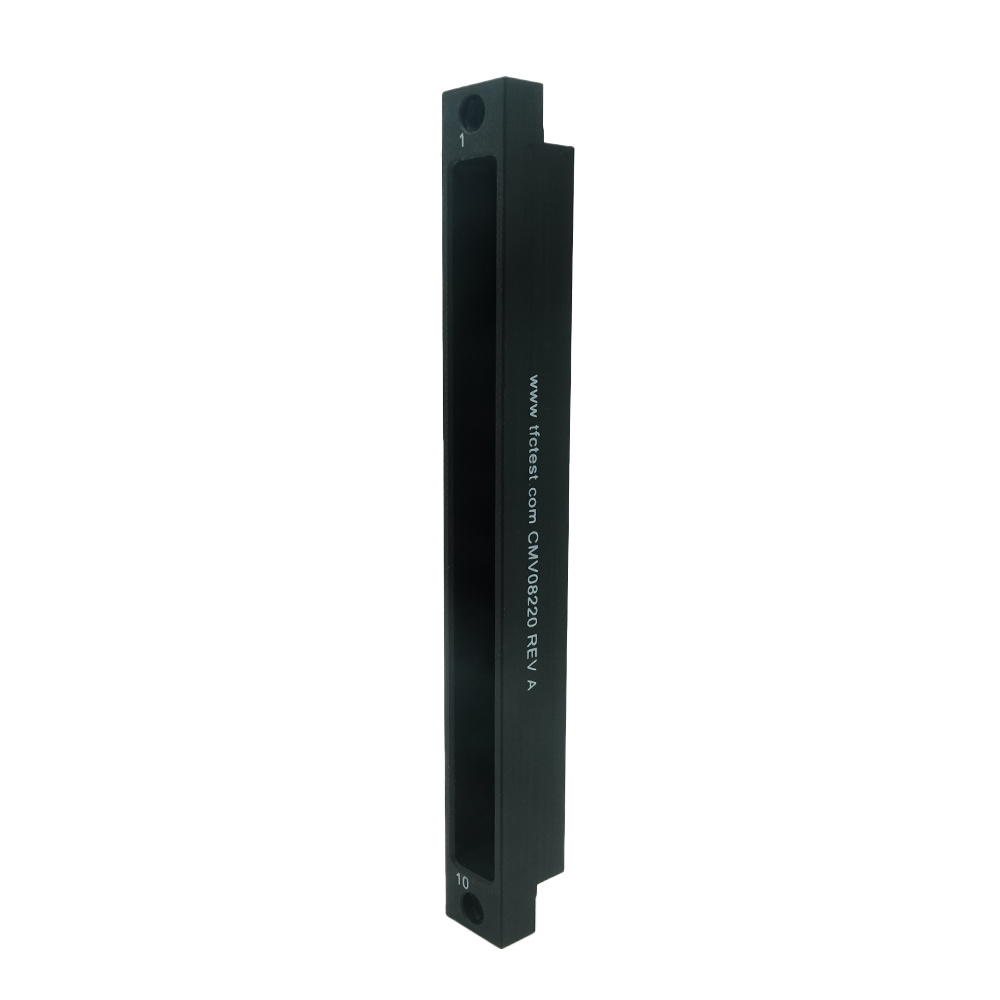
CMV08220 Pneumatic Module, ITA, 10-Pin (1/8" ID)
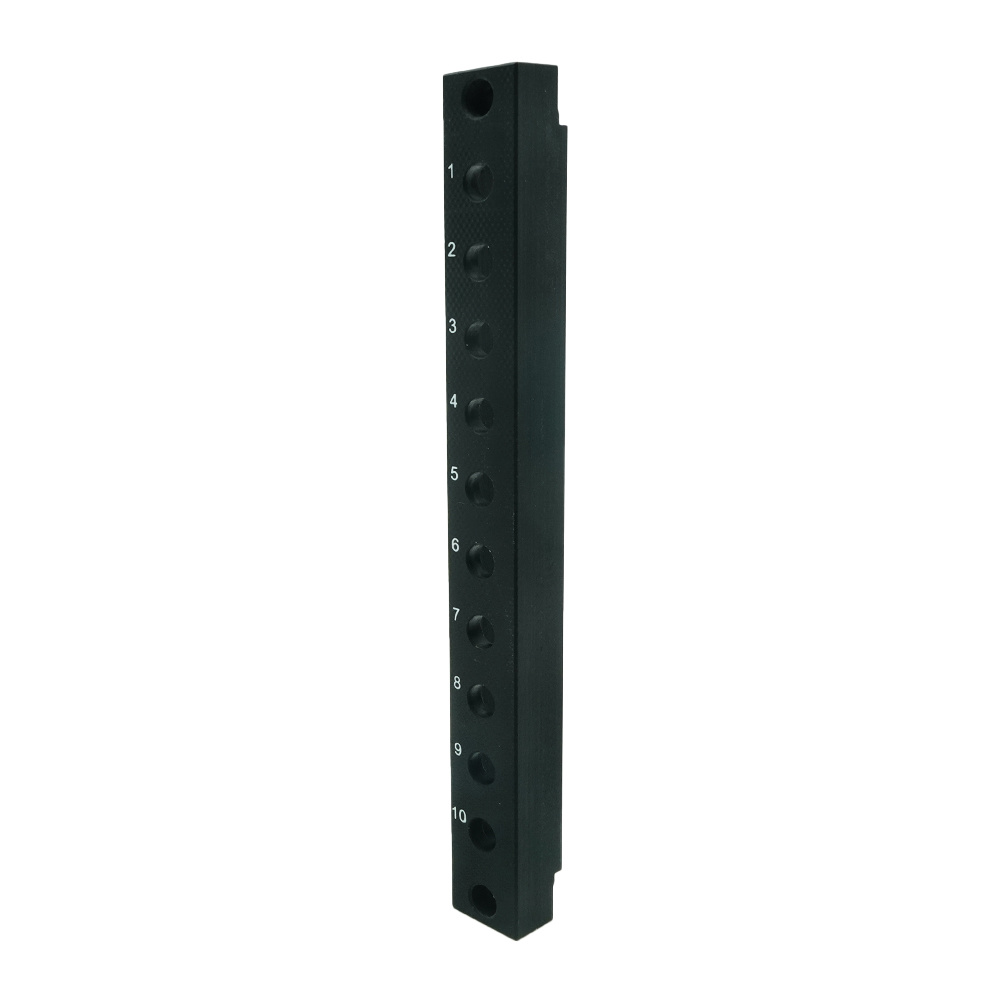
CMV08120 Pneumatic Module, Receiver, 10-Pin (1/8" ID)
Contact Information
Address: Building A38, U Valley, Liandong, Baishazhou, Wangcheng Economic and Technological Development Zone, Changsha City, Hunan Province,China
Public number | tremolo number
Welcome to pay attention to us